Epoxy Resin Floor – Seamless Industrial Floors by DPF
An epoxy resin floor is a seamless, hard-wearing floor made by mixing epoxy resin with a hardener and applying it over concrete. DPF manufactures epoxy resin flooring systems at our own factory in Kaliganj, Gazipur, and installs them for factories, pharma plants, hospitals and warehouses across Bangladesh.


What Is an Epoxy Resin Floor?
When epoxy resin and hardener are mixed, a chemical reaction turns the liquid into a hard, non-porous plastic that bonds firmly to concrete. Unlike ordinary paint, which only dries on the surface, an epoxy resin floor cures into a solid layer that resists oil, chemicals, abrasion and dust. Unlike tiles, it has no joints where dirt and bacteria can collect.
In short: epoxy resin + hardener + prepared concrete = a seamless, chemical-resistant, easy-to-clean industrial floor.
Benefits of an Epoxy Resin Floor
Why factories, hospitals and warehouses in Bangladesh choose an epoxy resin floor over tiles or plain concrete.
Strong & Durable
Self-leveling Dupoxy SL reaches 65 MPa compressive strength and bonds tightly to concrete.
Seamless & Hygienic
No joints or grout lines – easy to clean and suited to GMP pharma and hospitals.
Chemical & Oil Resistant
Protects the concrete slab from oil, cleaning agents and many chemicals.
Long Service Life
A self-leveling epoxy resin floor lasts as long as the concrete; DPF gives a 10–15 year warranty on Dupoxy SL.
Many Finishes
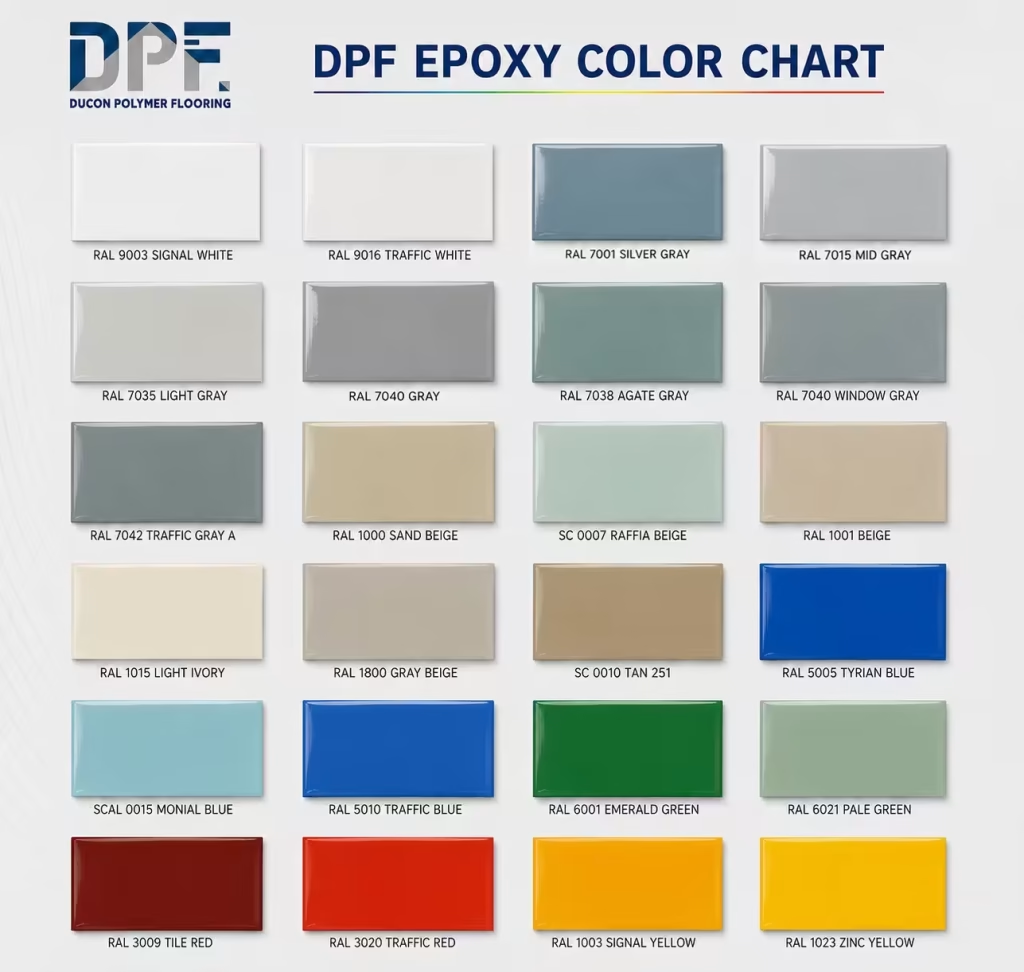
Gloss, matt, anti-slip, metallic or 3D – in almost any colour.
German Formulation
Our epoxy resin systems are produced to a German formulation at our Gazipur plant.
Types of Epoxy Resin Floor
DPF makes every common type of epoxy resin floor. Choose by traffic, hygiene and look.
Epoxy resin floor vs tiles and PU: unlike tiles, an epoxy resin floor has no grout lines to crack or trap dirt. Epoxy is harder and glossier than PU and best for dry indoor areas – for wet, hot or food areas choose PU flooring (see epoxy vs PU). Outdoors, epoxy can yellow in sunlight, so use polyaspartic flooring.
Epoxy resin floor types
| Type | Thickness | Best for | DPF system |
|---|---|---|---|
| Epoxy resin floor paint (roller coat) | 200–300 micron | Stores, offices, light workshops | Epoxy floor paint |
| Self-leveling epoxy resin floor | 3–6 mm | Pharma, hospitals, warehouses | Dupoxy SL |
| Epoxy mortar / screed | 4–6 mm | Heavy-duty production floors | Epoxy mortar |
| Anti-slip epoxy | Textured | Ramps, wet and oily areas | Anti-slip flooring |
| ESD / anti-static epoxy | 2–3 mm | Electronics, server rooms | Dupoxy SL ESD |
| Decorative epoxy | Varies | Homes, showrooms, offices | Metallic / 3D epoxy |
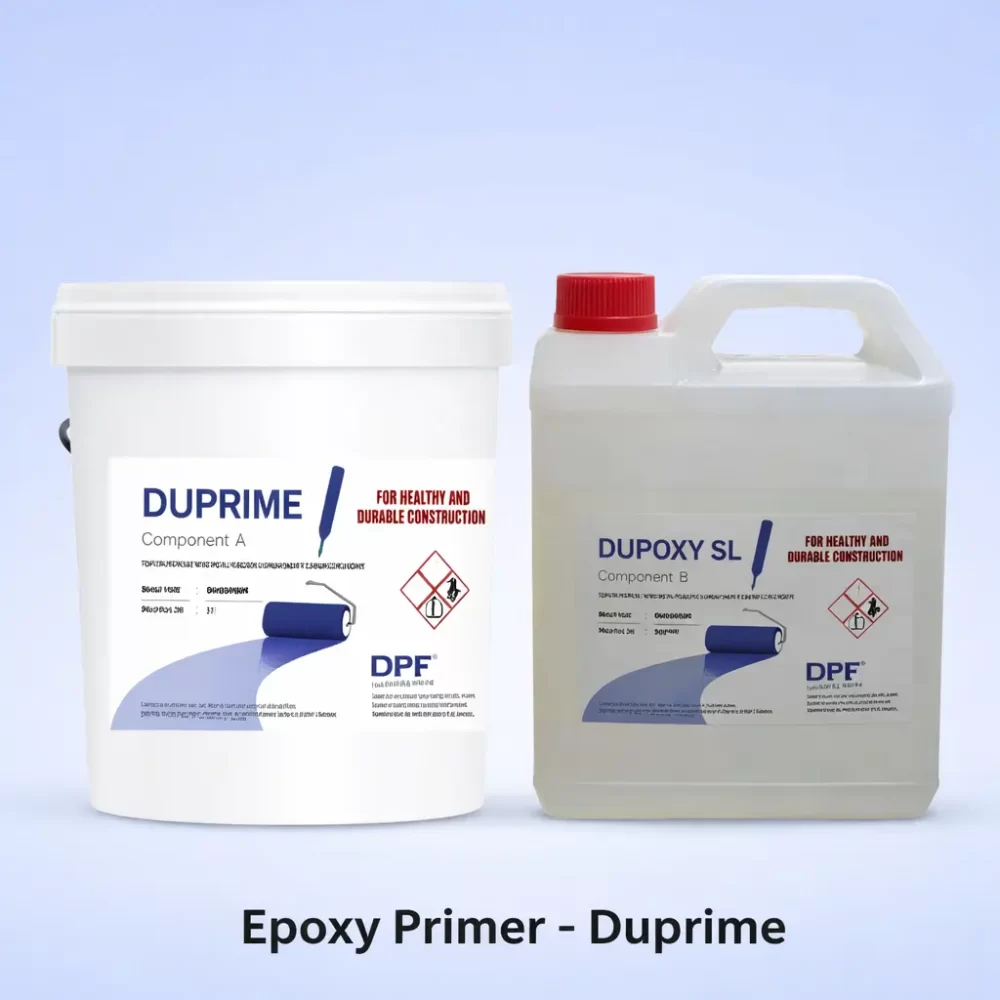
Ducon Polymer Flooring (DPF) Epoxy Products:



Technical Support & Consultation
From specification and product selection to installation and completion, our technical team and authorized applicator, Fountech, provide reliable end-to-end support for every project.
Technical Data Sheets (TDS)
Download product TDS documents with complete technical specifications, performance data, and application guidelines. These official documents help you compare and evaluate our epoxy flooring products and competitive prices in the Bangladesh market.
Application Guides
Step-by-step surface preparation, mixing ratio, and application guidelines help ensure a smooth and hassle-free installation. Our technical manual supports the proper application of premium epoxy floor coatings for strong, durable, and long-lasting heavy-duty surfaces.
Specification Support
We help consultants and project managers develop accurate flooring specifications with expert technical guidance, budgeting support, and project estimation for modern epoxy flooring projects in Bangladesh.
Fountech Application
Our trained applicators ensure professional installation and reliable on-site performance. We provide premium epoxy flooring services in Dhaka, Chittagong, gazipur, and across Bangladesh for factories, warehouses, commercial spaces, and other industrial flooring projects.
Where Epoxy Resin Floors Are Used
An epoxy resin floor suits any dry indoor area that needs a clean, strong and seamless surface.

Pharmaceutical & Cleanroom Flooring
Seamless, non-porous epoxy resin floors for tablet, capsule and lab areas that must meet GMP.
Pharmaceutical Epoxy Flooring
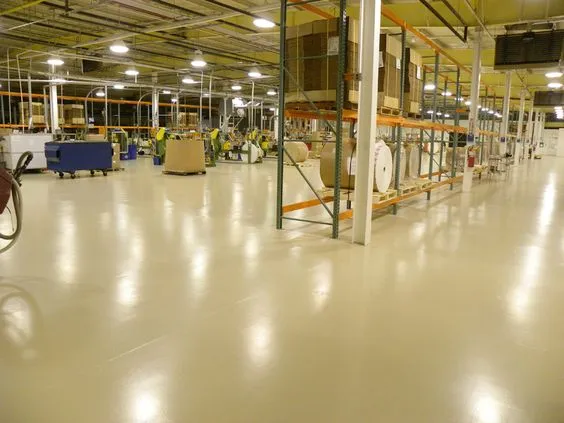
Warehouses & Logistics
Hard-wearing epoxy resin for pallet trucks, racking areas and packing halls.
Warehouse Epoxy Flooring Bangladesh
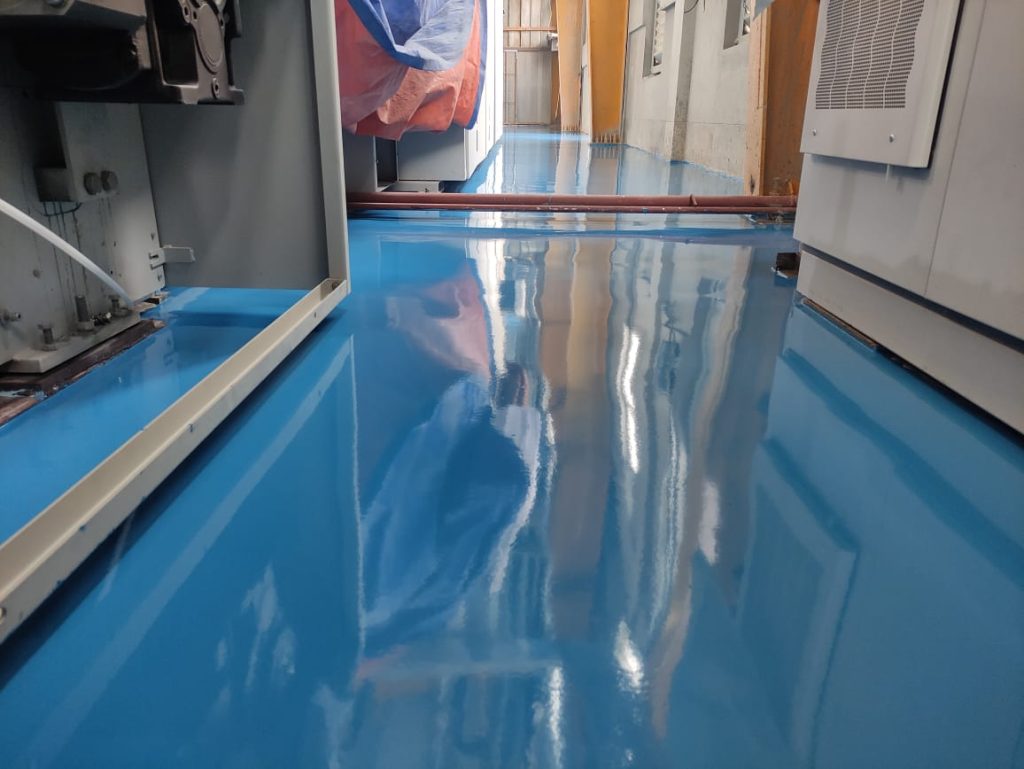
Food & Beverage Flooring
Dupoxy SL suits dry food packing and storage areas. For wet, hot or acidic food, beverage and dairy areas we recommend our Ducrete MF PU concrete flooring – see epoxy vs PU flooring.
Food Grade Floor Coating
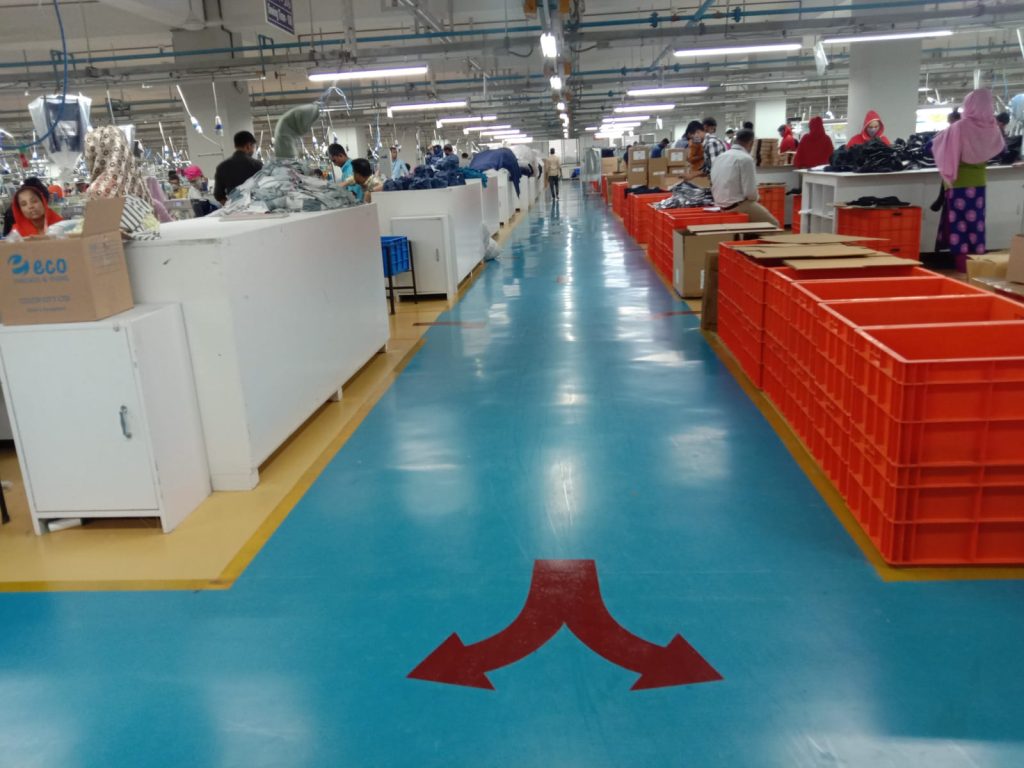
Garment & Textile Factories
Dust-free epoxy resin floors for cutting, sewing, finishing and store areas.
Garments Factory Flooring
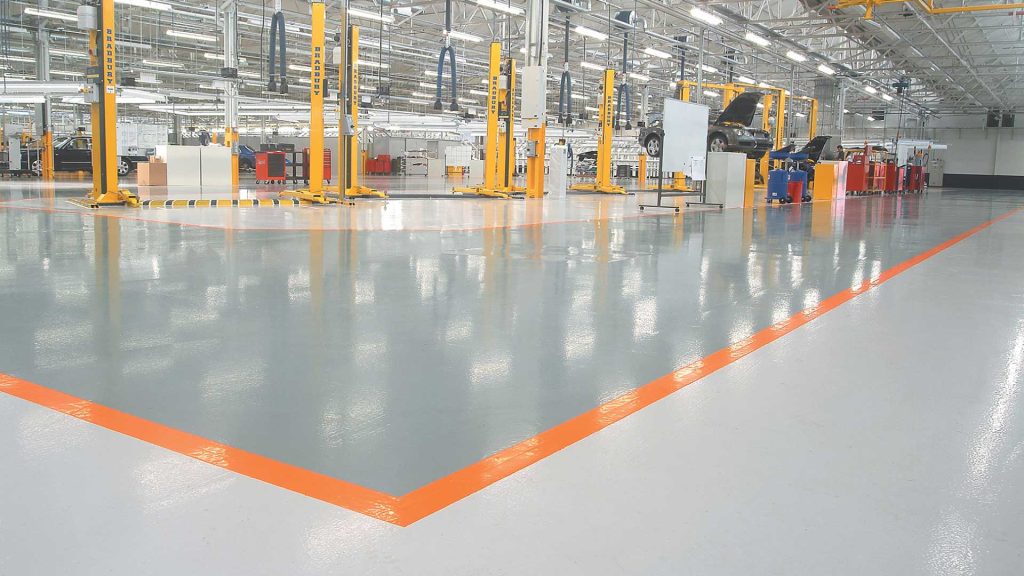
Manufacturing Plants
Epoxy resin mortar for heavy machinery, assembly lines and workshops.
Industrial Flooring Bangladesh
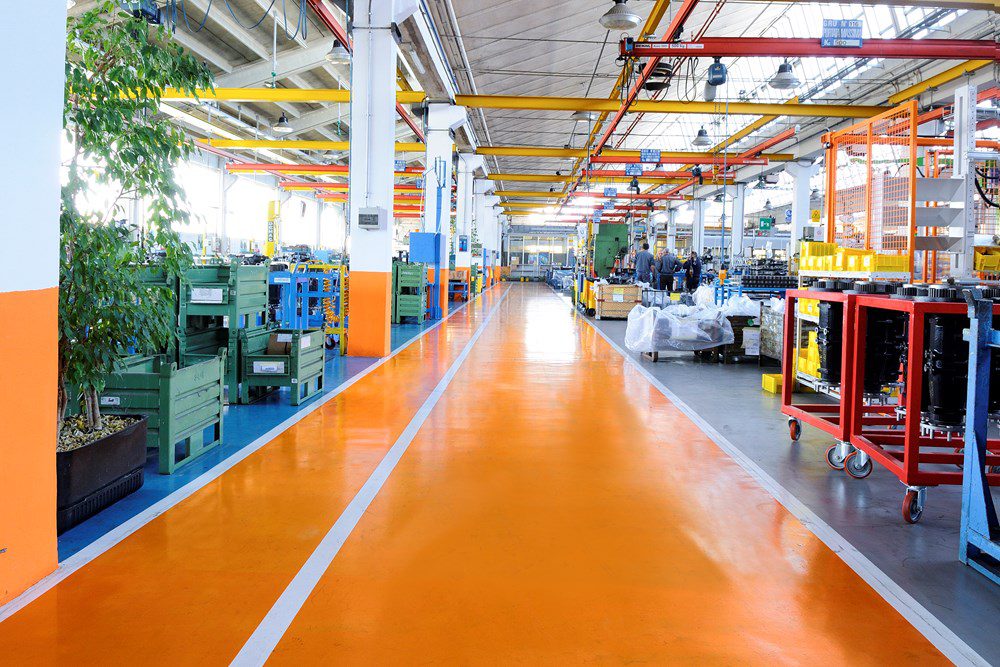
Electronics & ESD Areas
Anti-static epoxy resin floors protect sensitive electronics from static discharge.
Factory Floor Coating Bangladesh
Epoxy Resin Floor – Frequently Asked Questions
1. What is an epoxy resin floor?
An epoxy resin floor is a seamless floor made by mixing epoxy resin and hardener and applying it over prepared concrete. It cures into a hard, non-porous, chemical-resistant surface.
2. How long does an epoxy resin floor last?
A properly installed self-leveling epoxy resin floor lasts as long as the concrete it protects. DPF gives a 10–15 year warranty on Dupoxy SL.
3. How thick should an epoxy resin floor be?
A 200–300 micron roller coat suits light traffic. 3 mm self-leveling suits pharma, hospitals and offices; 4–6 mm suits warehouses and factories.
4. Is an epoxy resin floor slippery?
A smooth gloss finish can be slippery when wet. DPF adds an anti-slip texture for ramps, wet areas and oily floors.
5. Can an epoxy resin floor be used outdoors?
Epoxy can yellow in direct sunlight, so for outdoor areas DPF recommends polyaspartic flooring or a UV-resistant top coat.
6. What is the difference between epoxy resin floor and epoxy floor paint?
Epoxy floor paint is a thin roller coat of 200–300 micron. An epoxy resin floor usually means a thicker 3–6 mm self-leveling or mortar system that lasts much longer.
7. How soon can we use a new epoxy resin floor?
Foot traffic after about 24 hours, heavy traffic after about 3 days and full chemical exposure after about 7 days at 25°C.
8. What is the price of an epoxy resin floor in Bangladesh?
About ৳60–80 per sq ft for a roller coat and ৳220–400 per sq ft for a 3–6 mm self-leveling Dupoxy SL floor. See the epoxy floor paint price guide.
Your Trusted Flooring Partner
Epoxy Resin Floor Price in Bangladesh
Approximate price per sq ft:
Roller coat ৳60–80 · Dupoxy SL 3 mm ৳220 · 4 mm ৳270 · 6 mm ৳400
Prices change with raw-material and shipping costs. See the full epoxy floor paint price in Bangladesh guide.
The final price depends on: existing concrete condition, crack and repair work, chosen thickness, total area and site access.
Epoxy Resin Floor Projects
DPF supplies and installs Dupoxy SL epoxy floors in Dhaka, Gazipur, Narayanganj and Chittagong. Read our full guide to epoxy flooring in Bangladesh.
| Project | Area | System |
|---|---|---|
| Bashundhara Eye Hospital | 58,000 sq ft | Epoxy flooring |
| Safina Park, Rajshahi | 73,000 sq ft | Epoxy roller coat |
| Aristo Pharma | 20,000 sq ft | Self-leveling epoxy |
| Fortress, Bashundhara | 16,000 sq ft | Car parking epoxy |
How DPF installs an epoxy resin floor: 1. free site inspection · 2. grinding or shot-blasting · 3. crack and hole repair · 4. DUPRIME 200 primer with quartz sand · 5. epoxy resin layers to the specified thickness · 6. curing and handover.